Penetration Testing in Washington, DC
Washington, DC concentrates the federal executive branch and everything built around it: the departmental headquarters of Federal Triangle and the National Mall, the independent agencies, the contractors and systems integrators who operate their networks from the District and from across the Potomac, the trade associations and non-profits that make Washington the association capital of the United States, the regulatory and litigation practices of the large law firms along K Street and Pennsylvania Avenue, the think tanks of Massachusetts Avenue and Dupont Circle, the World Bank Group, the IMF and the Inter-American Development Bank, the universities of Georgetown, Foggy Bottom and Howard, and the hospital systems of MedStar, Children's National and George Washington. HackersHub runs offensive security engagements scoped to the threat model these organisations actually face: state-aligned collection against policy, litigation and defence information, business email compromise against treasury and membership functions, ransomware against hospital and municipal services, and the FedRAMP, FISMA, CMMC 2.0, HIPAA, SOC 2 and District of Columbia breach-law evidence that agencies, auditors and clients now expect.
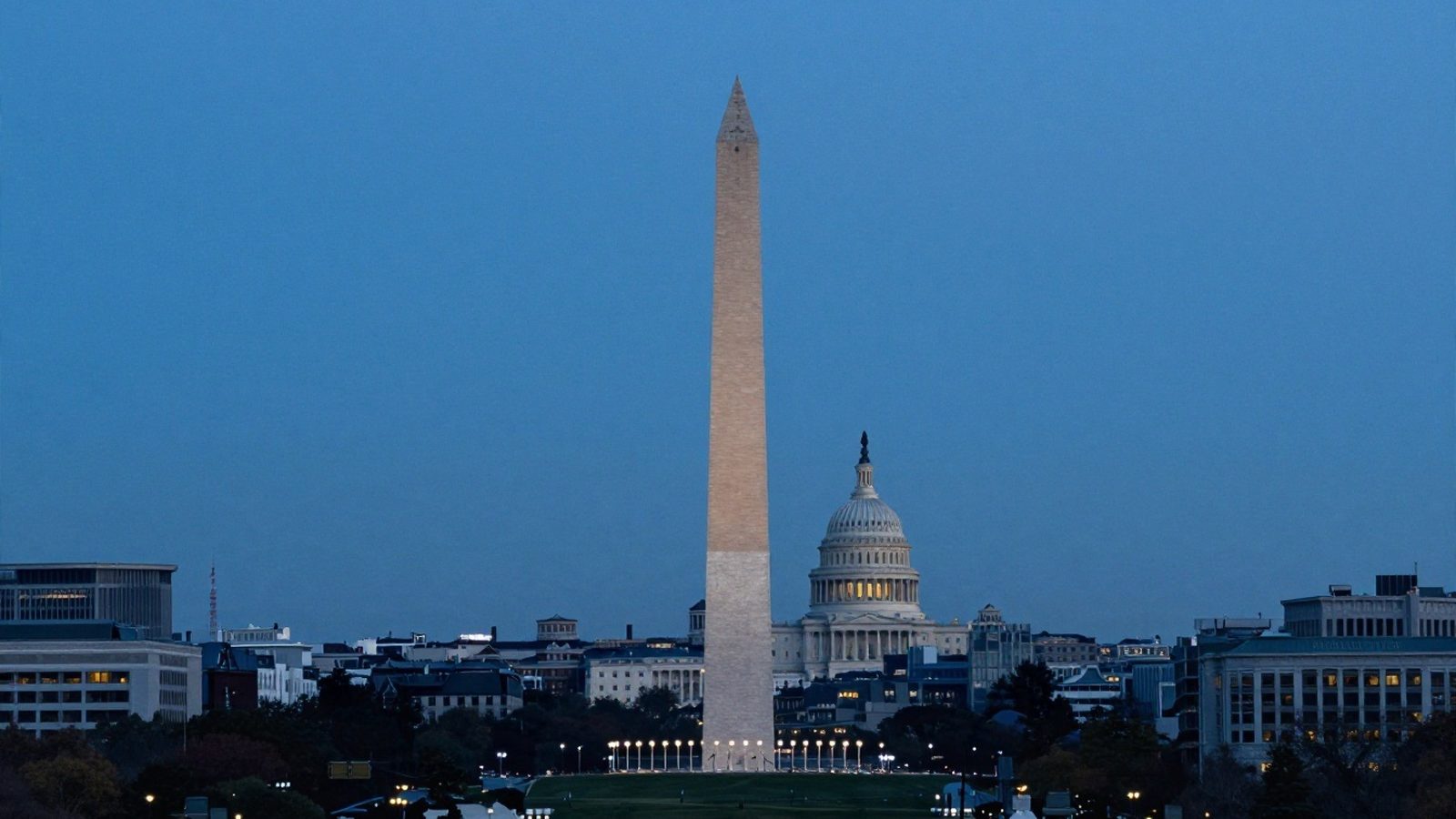
The Washington, DC threat landscape
Washington's adversaries want access and information before they want money. Think tanks, law firms, lobbying practices and associations hold pre-decisional policy positions, litigation and transaction strategy, and the contact books of the people who write regulation, and state-aligned campaigns against exactly these organisations have been documented repeatedly since 2018, usually beginning with credential phishing against a single mailbox. Federal contractors and systems integrators hold controlled unclassified information and, more valuable still, standing administrative access to agency systems; the 2020 software supply-chain compromise that reached multiple federal departments entered through a trusted vendor's update channel, and it reset how agencies and their contractors are expected to evidence security. The District's own institutions have shown the local failure modes. In March 2023 a misconfigured reporting server at DC Health Link, the District's health-insurance exchange, exposed the names, dates of birth and Social Security numbers of 56,415 current and former enrollees, including members of the House of Representatives and their staff, and the exchange's leadership was called before a congressional hearing within six weeks. In April 2021 a ransomware group breached the Metropolitan Police Department and published internal personnel and investigative files when the ransom was refused. Hospital systems in the District carry the clinical-ransomware exposure that has defined US healthcare since 2020, and the universities combine federally funded and export-controlled research with open campus networks. The District regulates the result through D.C. Code section 28-3851 and following, rewritten by the Security Breach Protection Amendment Act of 2020: notification to affected residents in the most expedient time possible, notification to the Office of the Attorney General whenever 50 or more District residents are affected, reasonable security safeguards appropriate to the data and the size of the organisation, written security obligations on service providers, and 18 months of identity-theft protection when Social Security or taxpayer identification numbers are exposed, with violations enforced as unfair trade practices under the Consumer Protection Procedures Act. Engagements in Washington routinely uncover contractor laptops joined to several customer tenants at once, legacy remote-access appliances still reachable from the internet long after a programme ended, association management systems holding payment card and member data behind shared administrative credentials, document-management platforms exposed by single-sign-on misconfiguration, and identity drift between hospital, university and physician-practice directories that share a campus.
Need a penetration test in Washington, DC?
Written scope, named OSCP-certified testers, report within a week of the last testing day.
Industries we routinely engage in Washington, DC
Repeatable threat patterns by sector, drawn from engagement data rather than vendor marketing.
Federal contractors & systems integrators
Prime contractors, systems integrators and specialist vendors operating agency systems from offices in the District, Arlington, Tysons and Reston. Penetration testing of contractor-operated systems under FISMA and NIST SP 800-53 Rev. 5 CA-8, FedRAMP readiness and remediation-validation testing ahead of a 3PAO assessment, CMMC 2.0 Level 2 evidence against NIST SP 800-171 Rev. 2, and testing of the corporate estate that sits outside any authorization boundary but holds the credentials to it.
Trade associations, non-profits & advocacy organisations
National trade associations, professional societies, foundations, advocacy groups and the association-management companies that run them. Testing of membership and association-management platforms, event-registration and donation flows, and the Microsoft 365 identity layer that business email compromise targets first. PCI DSS v4.0.1 Requirement 11.4 evidence where dues and registrations are processed, breach-readiness across the state notification laws a national membership base triggers, and phishing simulation calibrated for policy and fundraising staff.
Law firms & professional services
AmLaw 100 offices, regulatory boutiques, lobbying practices and the litigation-support, e-discovery and accounting firms that serve them. External and internal penetration tests, document-management and client-portal assessments, identity and privileged-access review, and red team operations scoped against the state-aligned and financially motivated actors who target matter data. Evidence mapped to client outside-counsel guidelines, SOC 2 Trust Services Criteria, and the duties described in ABA Formal Opinion 483 on a lawyer's obligations after a data breach.
Think tanks, policy institutes & multilateral institutions
Policy research institutes, foreign-affairs and defence-policy centres, and the Washington offices of multilateral development and financial institutions. Email and collaboration-platform security assessments, phishing and social-engineering simulation modelled on documented state-aligned tradecraft, cloud and identity testing across research and conference tenants, and red team operations that test detection and response against a patient, credential-led adversary rather than a smash-and-grab one.
Hospital systems, academic medicine & health insurance
MedStar Washington Hospital Center and the MedStar network, Children's National, George Washington University Hospital, Howard University Hospital, the District's health-insurance exchange and the health-tech vendors serving them. HIPAA Security Rule evaluation evidence (45 CFR 164.308(a)(8)), clinical-network and medical-device segmentation review, identity-led methodology, and breach-readiness mapped to D.C. Code section 28-3852 notification duties. Our HIPAA penetration testing guide at /insights/hipaa-penetration-testing/ covers scope and cadence.
Housing finance, asset management & utilities
Fannie Mae and the housing-finance ecosystem overseen by the Federal Housing Finance Agency, private-equity and asset-management firms headquartered in the District, Pepco, DC Water and the Washington Metropolitan Area Transit Authority. External and internal penetration tests, identity and privileged-access assessments, and manual web-application and API pentests. Evidence mapped to the GLBA Safeguards Rule, SEC Regulation S-P, FHFA supervisory guidance, NERC CIP for bulk electric system assets, and the TSA security directives for passenger rail. Our SOC 2 penetration testing guide at /insights/soc-2-penetration-testing/ sets out what auditors expect.
Compliance frameworks we report against
Engagements for Washington-based organisations regularly feed into District, federal, sector and client-driven regulatory reporting. Deliverables include a penetration testing statement, executive summary, technical report with proof-of-concept, and a remediation tracker, formatted to satisfy the evidence requirements of each framework below without additional documentation.
- D.C. Code section 28-3851 and following, breach notification as amended by the Security Breach Protection Amendment Act of 2020 (D.C. Law 23-98, in force since 17 June 2020): affected residents in the most expedient time possible, the Office of the Attorney General when 50 or more District residents are affected, 18 months of identity-theft protection where Social Security or taxpayer identification numbers are exposed
- D.C. Code section 28-3852.01 reasonable security safeguards appropriate to the personal information held and the size of the organisation, including written security obligations on service providers; violations enforceable as unfair trade practices under the Consumer Protection Procedures Act
- Federal Information Security Modernization Act of 2014 (FISMA), OMB Circular A-130 and NIST SP 800-53 Rev. 5 CA-8 penetration testing for agency and contractor-operated systems
- FedRAMP Rev. 5 baselines, control CA-8 and the FedRAMP penetration test guidance for cloud service offerings sold to federal agencies, under the FedRAMP Authorization Act of December 2022
- CMMC 2.0 (32 CFR Part 170, in force since 16 December 2024; DFARS 252.204-7021 in solicitations from 10 November 2025) Level 2 against NIST SP 800-171 Rev. 2, Level 3 against NIST SP 800-172
- DFARS 252.204-7012 safeguarding of covered defense information and 72-hour cyber incident reporting to the Department of Defense, with DFARS 252.204-7019 and 7020 NIST SP 800-171 assessment scores in SPRS
- NIST SP 800-171 Rev. 2 security assessment (CA.L2-3.12.1) and vulnerability scanning (RA.L2-3.11.2) practices as CMMC applies them
- HIPAA Security Rule 45 CFR 164.308(a)(8) technical evaluation
- GLBA Safeguards Rule (16 CFR Part 314, amended 2023) and SEC Regulation S-P (amended May 2024) for asset managers, advisers and housing-finance institutions
- PCI DSS v4.0.1 Requirement 11.4 penetration testing where dues, registrations or donations are processed
- SOC 2 Trust Services Criteria CC7.1 / CC7.4
- ABA Formal Opinion 483 (2018) on lawyers' obligations after an electronic data breach and Model Rule 1.6(c) safeguarding of client information
- NERC CIP-005 / CIP-007 / CIP-010 for bulk electric system entities and TSA security directives for passenger rail and transit
- NIST SP 800-115 technical security testing
Services delivered for Washington, DC engagements
Same global service catalogue, scoped to the federal, District and sector regulatory context.
See also:Penetration Testing in VirginiaPenetration Testing in New YorkPenetration Testing in Boston
Why Washington, DC organisations choose HackersHub
HackersHub is an Amsterdam-headquartered practitioner firm with no US office, and we model Washington engagements honestly around that. External, web-application, API and cloud testing is delivered remotely from the Netherlands; internal network, Active Directory, wireless and physical assessments are delivered on site in the District, Arlington, Tysons and the Dulles corridor by travelling testers. HackersHub is not a FedRAMP third-party assessment organization (3PAO) and not a CMMC third-party assessment organization (C3PAO): we perform the penetration testing that prepares an organisation for those assessments and validates remediation, and we say so plainly when a buyer needs the accredited assessor instead. Our testers do not hold US security clearances, so engagements are scoped to unclassified systems. Scoping calls, status updates and report walkthroughs are scheduled on US Eastern business hours. Every engagement is led by named OSCP-, OSWE- or CREST-certified offensive security professionals, with Michael van Mameren (OSCP) acting as engagement lead, and reports are written directly against FedRAMP, FISMA, CMMC 2.0, NIST SP 800-171, HIPAA, SOC 2 and D.C. Code evidence categories. Senior-level scoping calls happen within one business day.
Frequently asked questions: Washington, DC
Ready to Secure Your Systems?
Request a quote for your penetration testing needs.