Penetration Testing in Florida
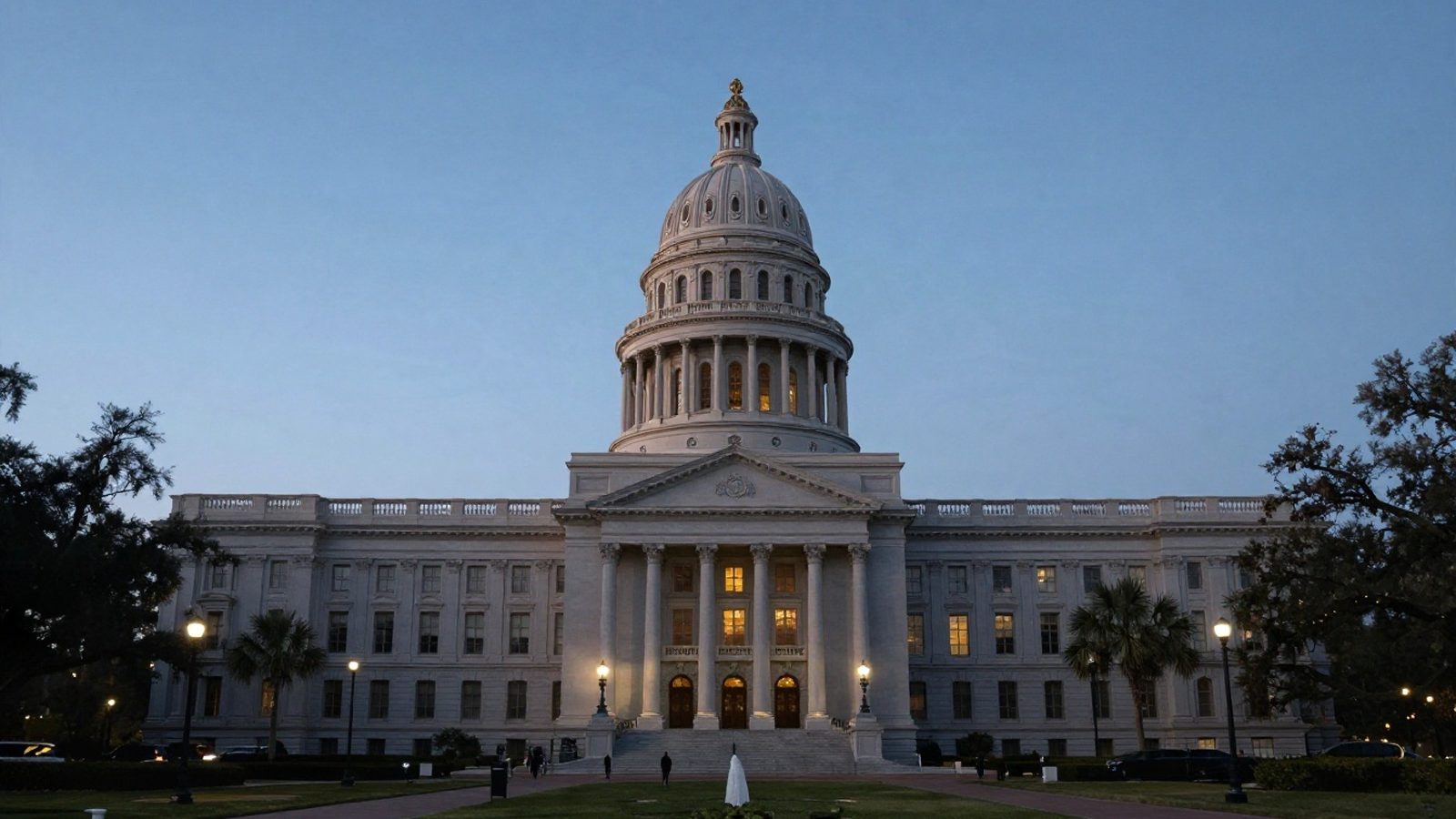
Florida's enterprise economy is spread across five distinct centres: Miami's banks, trading firms, fintechs and cruise headquarters; Tampa Bay's financial back offices, Raymond James in St. Petersburg and the defence contractors around MacDill Air Force Base, home of US Central Command and US Special Operations Command; Orlando's simulation and training cluster around Lockheed Martin, its theme-park and hospitality giants and the AdventHealth and Orlando Health systems; Jacksonville's financial-technology and insurance base, including FIS and Florida Blue, alongside Mayo Clinic's Florida campus and the naval stations; and the Space Coast, where L3Harris and the commercial launch industry work alongside NASA's Kennedy Space Center. State agencies and their technology vendors answer to Tallahassee. HackersHub, an offensive security firm founded in the Netherlands in 2015, serves Florida organisations remotely from Amsterdam with on-site travel and US delivery partners, scoped to the Florida Information Protection Act, the Florida Digital Bill of Rights and the federal frameworks each sector reports against. Qualifying US companies can apply for one of 20 complimentary penetration tests offered ahead of HackersHub's Q1 2027 US expansion.
The Florida threat landscape
Florida has been a proving ground for ransomware against public bodies and hospitals, and its legislature has responded more directly than most. In June 2019 two Florida cities, Riviera Beach and Lake City, paid ransoms worth several hundred thousand dollars each after attacks crippled municipal systems, and the pattern of local-government ransomware that followed led Florida in 2022 to become one of the first states to prohibit state agencies and local governments from paying ransoms at all, under Fla. Stat. 282.3186, and to require them to report ransomware incidents to the state within 12 hours. In February 2023 Tallahassee Memorial HealthCare, one of the largest hospital systems in North Florida, took its IT systems offline after a cyberattack, diverted all but the most critical emergency patients to other hospitals and cancelled non-emergency procedures for more than a week. Those cases frame the risk for the rest of the state. Health systems from Jacksonville to Miami run the same flat clinical networks and legacy remote access that took Tallahassee Memorial offline. The financial-technology firms of Jacksonville and the back offices of Tampa Bay process payments, card transactions and trading for clients nationwide, so a single compromised service account or third-party connection can reach data far beyond Florida. The defence and aerospace base around MacDill, Orlando and the Space Coast faces state-aligned collection and the CMMC 2.0 requirements now written into Department of Defense contracts. Hospitality, theme parks and cruise operators run payment and guest-data environments at a scale few industries match. Florida regulates the result through the Florida Information Protection Act (Fla. Stat. 501.171), which requires reasonable measures to protect personal information, notice to affected residents within 30 days of determining a breach and notice to the Department of Legal Affairs when 500 or more Floridians are affected; through the Florida Digital Bill of Rights, in force since 1 July 2024, which places privacy and data-security duties on the largest technology and advertising-driven controllers and consent requirements for sensitive data on every business; and through Chapter 282, which sets cybersecurity standards and incident-reporting duties for state agencies and local governments. Typical Florida findings include remote-access and managed-service-provider tooling with broad standing access, flat municipal and clinical networks, payment and property-management segments reachable from guest or contractor networks, and identity tenants in which acquired subsidiaries inherit far more access than they need.
Need a penetration test in Florida?
Written scope, named OSCP-certified testers, report within a week of the last testing day.
Sectors we engage across Florida
These six sectors generate most Florida scoping requests; metro detail lives on the Miami and Tampa pages.
Healthcare & hospital systems
Integrated health systems in Orlando, Jacksonville, Tampa Bay, Tallahassee and South Florida, academic medicine, and the health-tech vendors that serve them. Clinical-network and medical-device segmentation review, identity-led internal testing and ransomware-path analysis, and evidence for the HIPAA Security Rule technical evaluation at 45 CFR 164.308(a)(8) and FIPA breach readiness. Backup and recovery paths are tested with the same weight as exploitation, because a hospital that cannot restore within hours diverts patients.
Financial technology, payments & insurance (Jacksonville, Tampa Bay)
Payment processors, banking-technology providers, title and mortgage platforms, insurers and the financial back offices of Jacksonville and Tampa Bay. Web-application and API pentests, third-party connection and service-account reviews, and red team operations against business-email compromise. Evidence for PCI DSS v4.0.1 Requirement 11.4, the GLBA Safeguards Rule, NYDFS Part 500 for New York-licensed entities and the SOC 2 reports clients demand.
Banking, trading & fintech (Miami)
Banks, hedge funds, fintechs and digital-asset firms in Brickell and Coral Gables. External and internal pentests, trading-platform and treasury-workflow testing, and fintech application testing aligned to Florida Office of Financial Regulation expectations and SEC Regulation S-P. Our Miami page covers this market in detail.
Defence, aerospace & space
Prime contractors and suppliers around MacDill Air Force Base, Orlando's simulation and training cluster, and the Space Coast launch and satellite industry. CMMC 2.0 Level 2 readiness assessments against NIST SP 800-171, controlled-unclassified-information boundary testing, engineering-network segmentation and red team operations scoped against state-aligned tradecraft, with CUI-safe handling and US-person staffing where the contract requires it.
Hospitality, theme parks & cruise
Theme-park and resort operators in Orlando, hotel groups statewide and the cruise lines of South Florida. Property-management, point-of-sale and guest Wi-Fi segmentation testing, booking-engine, loyalty and mobile-app pentests, and social-engineering resilience testing for large frontline workforces. Reporting mapped to PCI DSS v4.0.1 and the Florida Information Protection Act.
State agencies, local government & public-sector vendors
State agencies in Tallahassee, counties, cities, school districts and the technology vendors that sell into them. External and internal penetration tests, Active Directory and identity assessments, and phishing simulation, with evidence aligned to the Chapter 282 cybersecurity standards, the Florida Digital Service's requirements and the state's ransomware and incident-reporting duties.
Florida and US frameworks we report against
Florida combines a short breach clock, a privacy statute aimed at the largest data businesses and an unusually prescriptive public-sector cyber law. HackersHub ties every finding to the provision it affects, from Fla. Stat. 501.171 to PCI DSS or CMMC, so one report answers the privacy officer, the QSA and the contracting officer at once.
- Florida Information Protection Act of 2014 (Fla. Stat. 501.171): reasonable measures to protect personal information, notice to affected residents within 30 days of determining a breach, and notice to the Department of Legal Affairs when 500 or more Floridians are affected
- Florida Digital Bill of Rights (in force since 1 July 2024): data-security and privacy duties for the largest controllers, and consent requirements for the sale of sensitive data by any business
- Fla. Stat. Chapter 282, including the State Cybersecurity Act (282.318) standards for state agencies and local governments and their incident-reporting duties to the state
- Fla. Stat. 282.3186 (2022): state agencies and local governments may not pay or otherwise comply with a ransom demand
- HIPAA Security Rule technical evaluation duty (45 CFR 164.308(a)(8)) for providers, health plans and their business associates
- PCI DSS v4.0.1 Requirement 11.4 penetration testing
- GLBA Safeguards Rule (16 CFR Part 314), the FFIEC IT Examination Handbook and SEC Regulation S-P (amended 2024)
- NYDFS 23 NYCRR Part 500 for Florida companies licensed in New York
- CMMC 2.0 Level 2 (NIST SP 800-171) and DFARS 252.204-7012
- SEC cybersecurity disclosure rules (Form 8-K Item 1.05, Regulation S-K Item 106)
- SOC 2 Trust Services Criteria CC4.1, CC7.1 and CC7.4
- NIST SP 800-115 technical security testing
Services delivered across Florida
From a single API test for a payments firm to a red team operation against a resort operator, every service is scoped around Florida's rules and the sector's own frameworks.
See also:Penetration Testing in MiamiPenetration Testing in TampaPenetration Testing in United States
Why Florida organisations work with HackersHub
HackersHub works from Amsterdam and keeps no office, address or staff base in Florida, and the delivery model is built on that fact rather than around it. Most Florida engagements start remotely: external perimeter, web applications, mobile apps, APIs and cloud accounts are attacked from the Netherlands by HackersHub's in-house specialists, often overnight Florida time so that booking engines and payment flows are tested outside peak load. Where the scope calls for it, a second phase follows on site, with a tester travelling to the hospital, resort, campus or agency for internal network, wireless or physical work, and on larger programs vetted US delivery partners extend the team under the same methodology and review. Status calls run on Eastern time. Michael van Mameren (OSCP) leads each engagement, every tester holds at least OSCP, and OSWE- and CREST-certified specialists cover application and infrastructure depth. Reports follow PTES, the OWASP WSTG and NIST SP 800-115, and fixes for medium and higher findings are verified in a retest within 90 days. With more than 2,500 engagements completed since its founding in 2015, HackersHub enters the US market at full scale in Q1 2027.
Frequently asked questions: Florida
Ready to Secure Your Systems?
Request a quote for your penetration testing needs.